 |

|
Shuttleworth Race Day 2026 |
 |
| ‘A Plethora of Vintage motoring, historic aviation and a memorable farewell at Shuttleworth’s Race Day 2026’ |
| There are few venues in
British Aviation that can match the unique atmosphere of the
Shuttleworth Collection, where the sights and sounds of a golden
age are brought vividly to life. The annual Race Day once again
celebrated the enduring relationship between motor racing and
aviation, bringing together an impressive gathering of historic
vehicles and a racing themed flying display to round off the
season in memorable fashion. With glorious autumnal sunshine providing an ideal backdrop, visitors were treated to a day that captured the very essence of Shuttleworth: a celebration of engineering, heritage and the remarkable machines that helped shape the history of transport. There was also a poignant note to proceedings, as this year's event marked the final Race Day in its familiar format for now, making the occasion that little bit extra special. |
 |
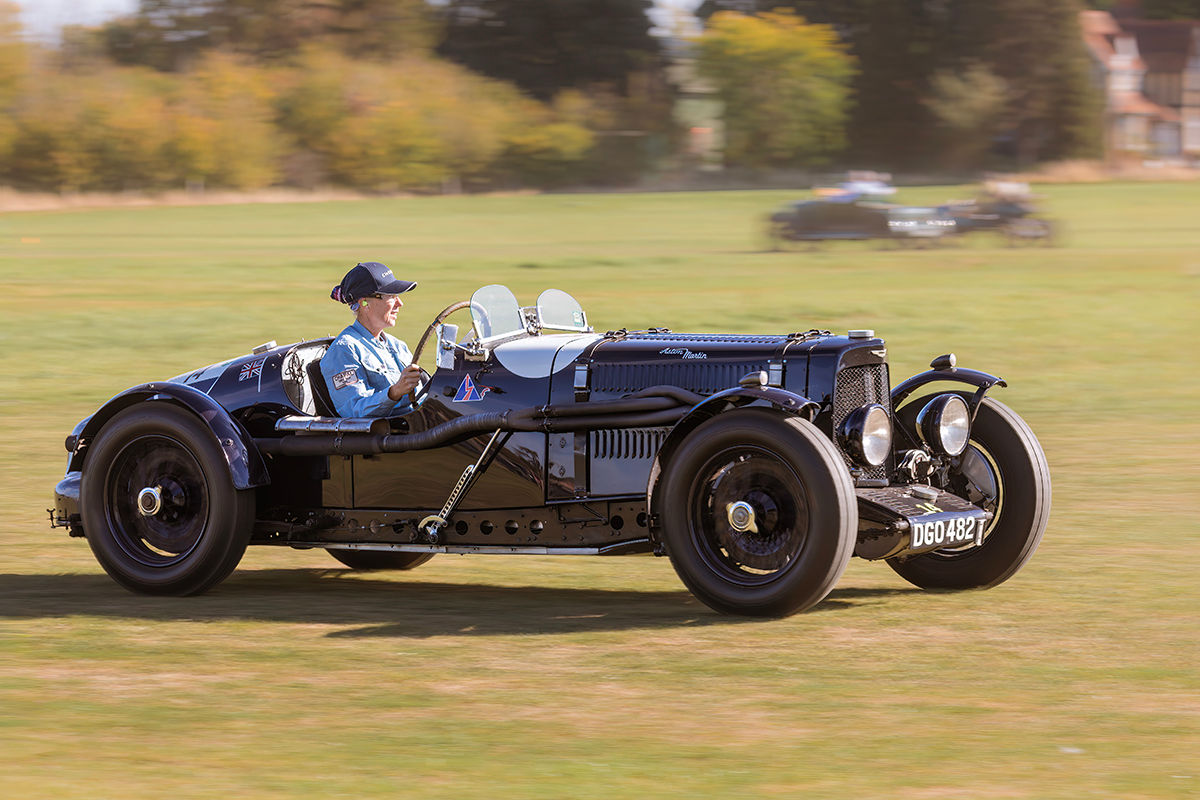 |
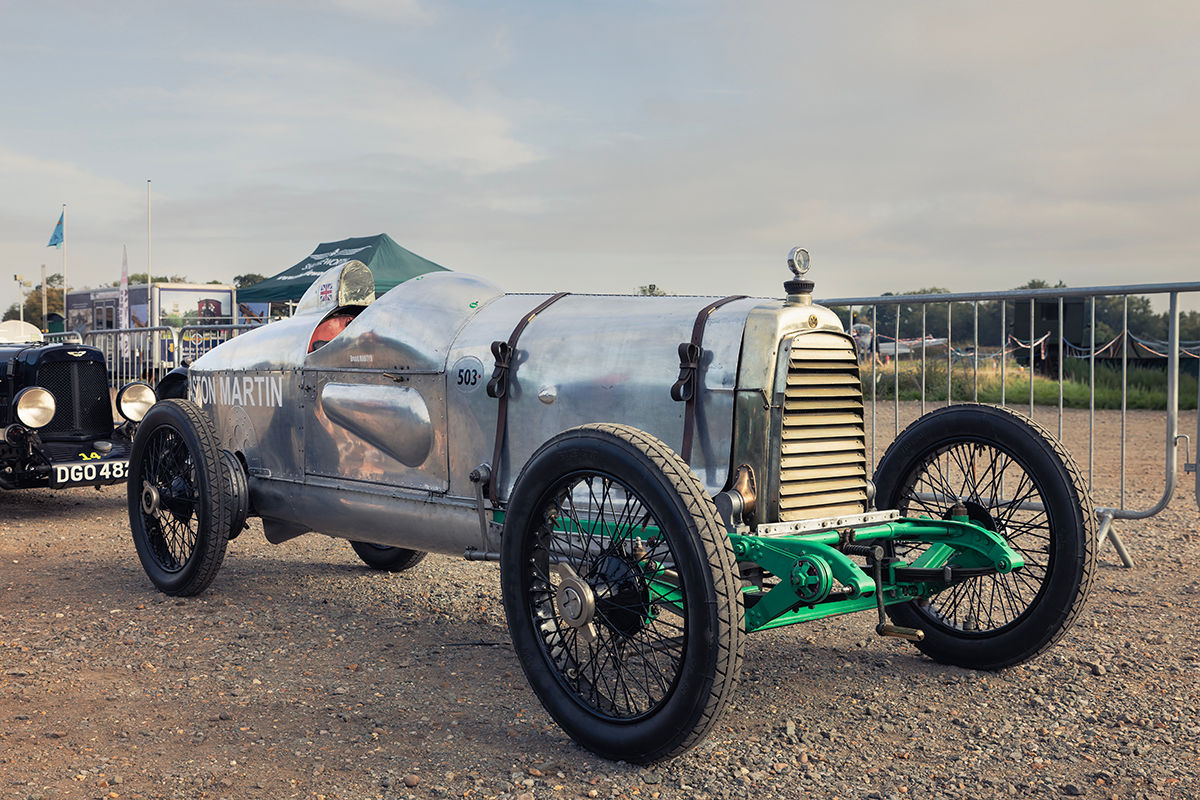
| While the flying display
would provide plenty of aerial excitement, the extensive
collection of vintage motor vehicles on the ground was every bit
as deserving of attention. The paddock was alive with machinery from yesteryear, offering a wonderful opportunity to appreciate the ingenuity, craftsmanship and sheer character of historic motoring. From beautifully preserved veteran vehicles to evocative racing machinery, the variety on display was a reminder of a time when competition demanded considerable grit and bravery from drivers and mechanical sympathy from those maintaining their mounts. |
 |
 |
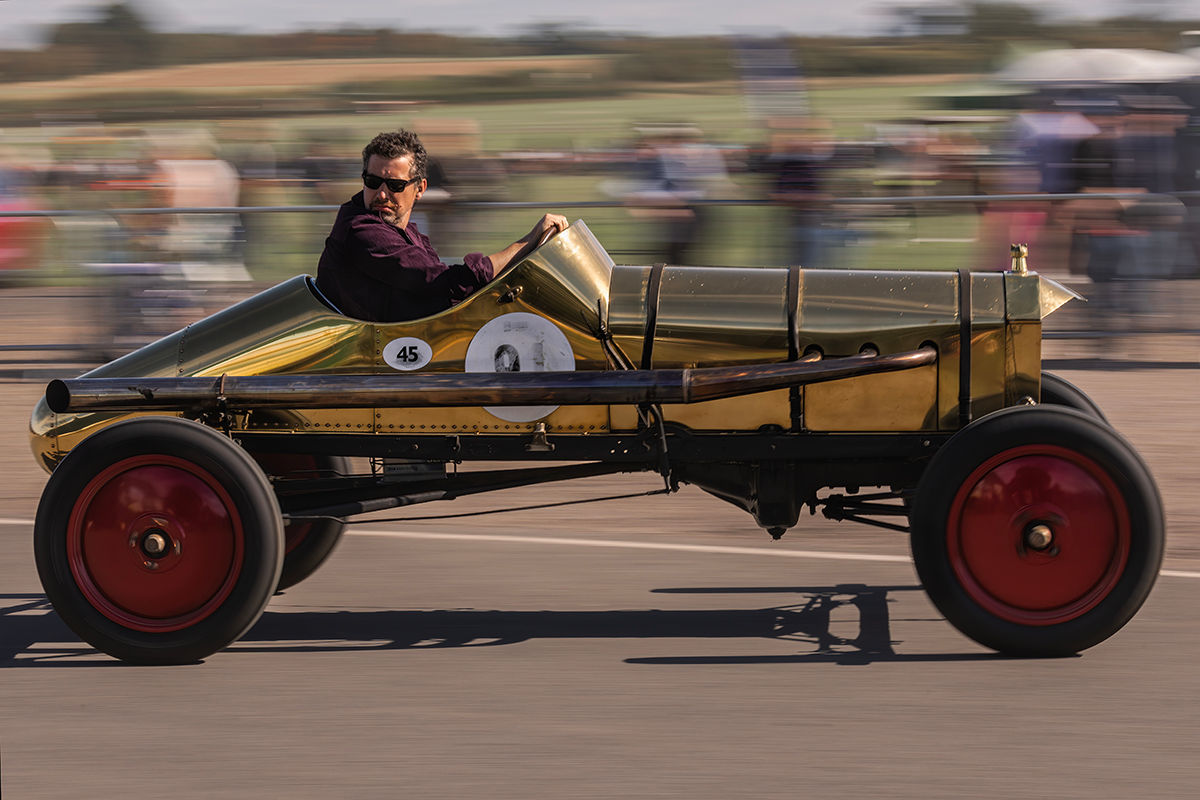
| The gathering
provided a fascinating insight into the pioneering days of
motorsport, when the pursuit of speed was as much about
experimentation and engineering as it was about outright
performance. For enthusiasts of both motoring and aviation, this combination is precisely what makes Race Day such an appealing fixture in the Shuttleworth Calendar. The shared heritage of these disciplines was evident throughout the grounds, with the vehicles providing a fitting complement to the aircraft that would later take to the skies. |
 |
 |
|
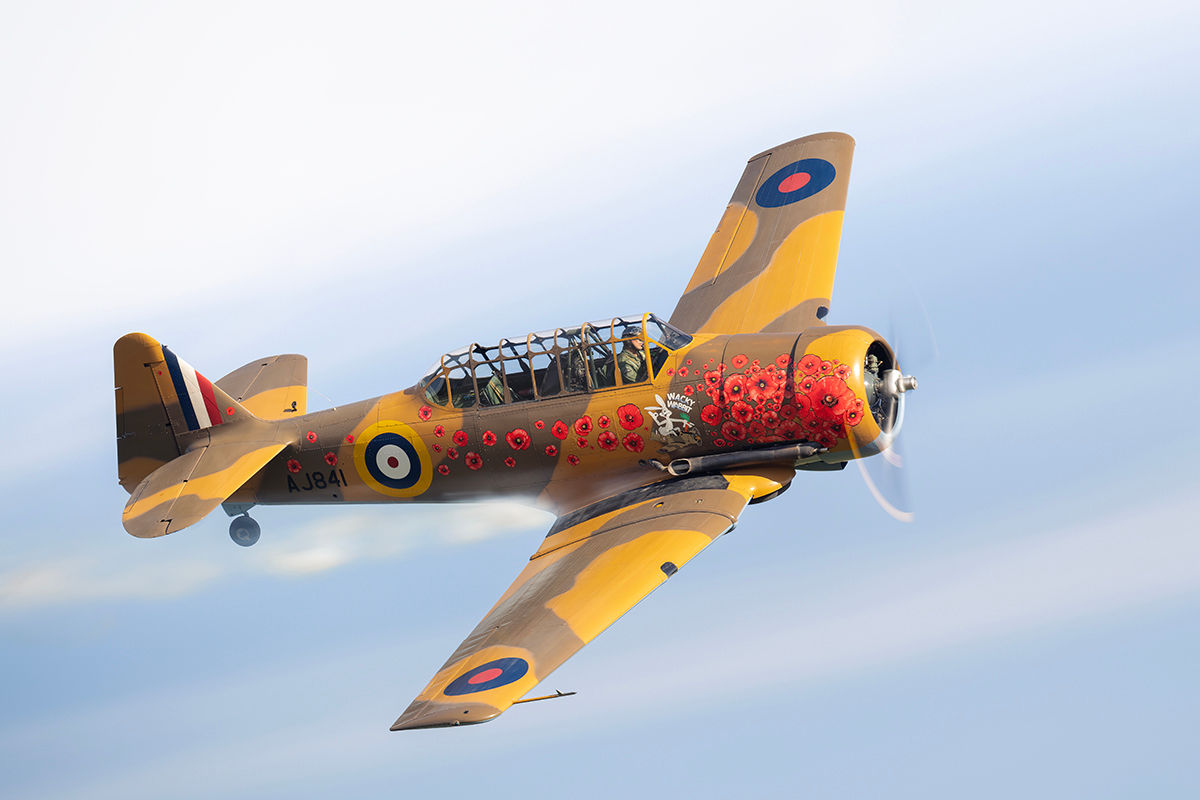
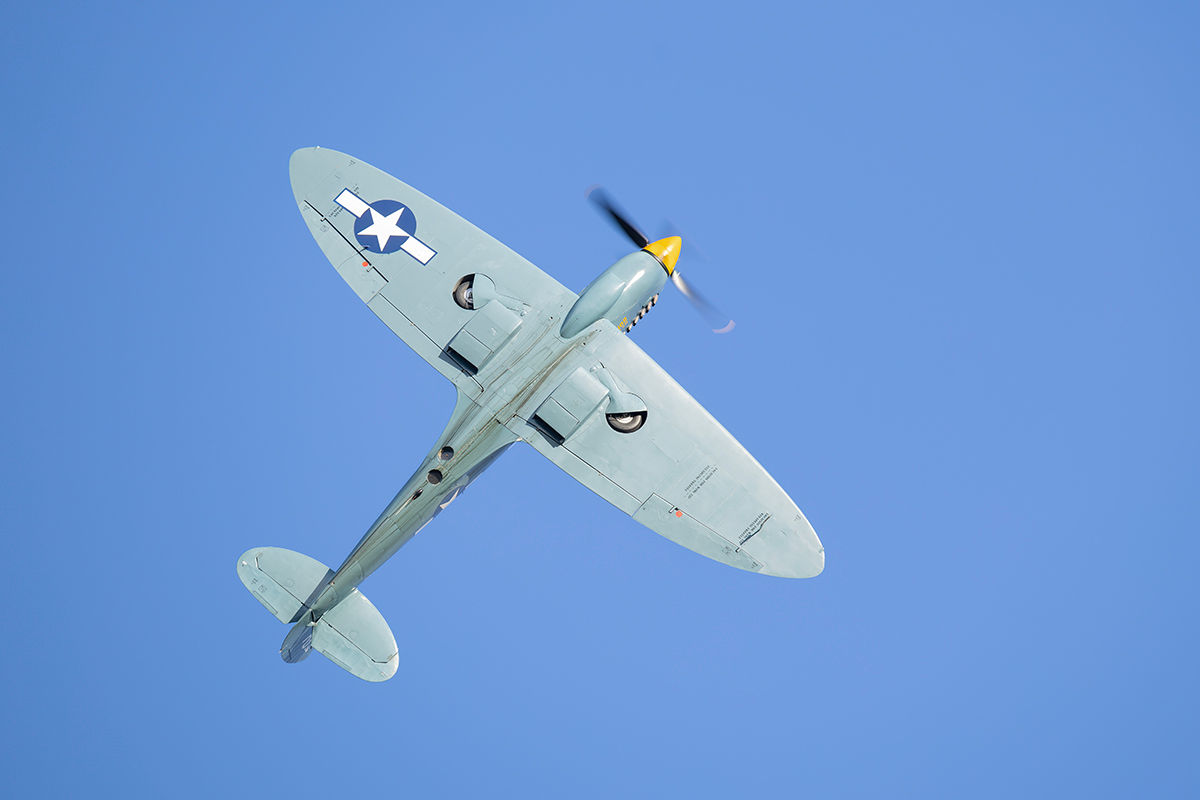
A flying display with character As expected, the flying display offered a varied selection of historic aircraft with that familiar Race Day Theme. The Flying Comrades brought precision and energy to the proceedings with their formation display, while the appearance of historic gliders offered a rather different perspective on the skills required of those who fly without the assistance of an engine. Yet, for all the variety on offer, one aircraft display stood out above the rest for this reviewer. |
 |
 |
 |
|
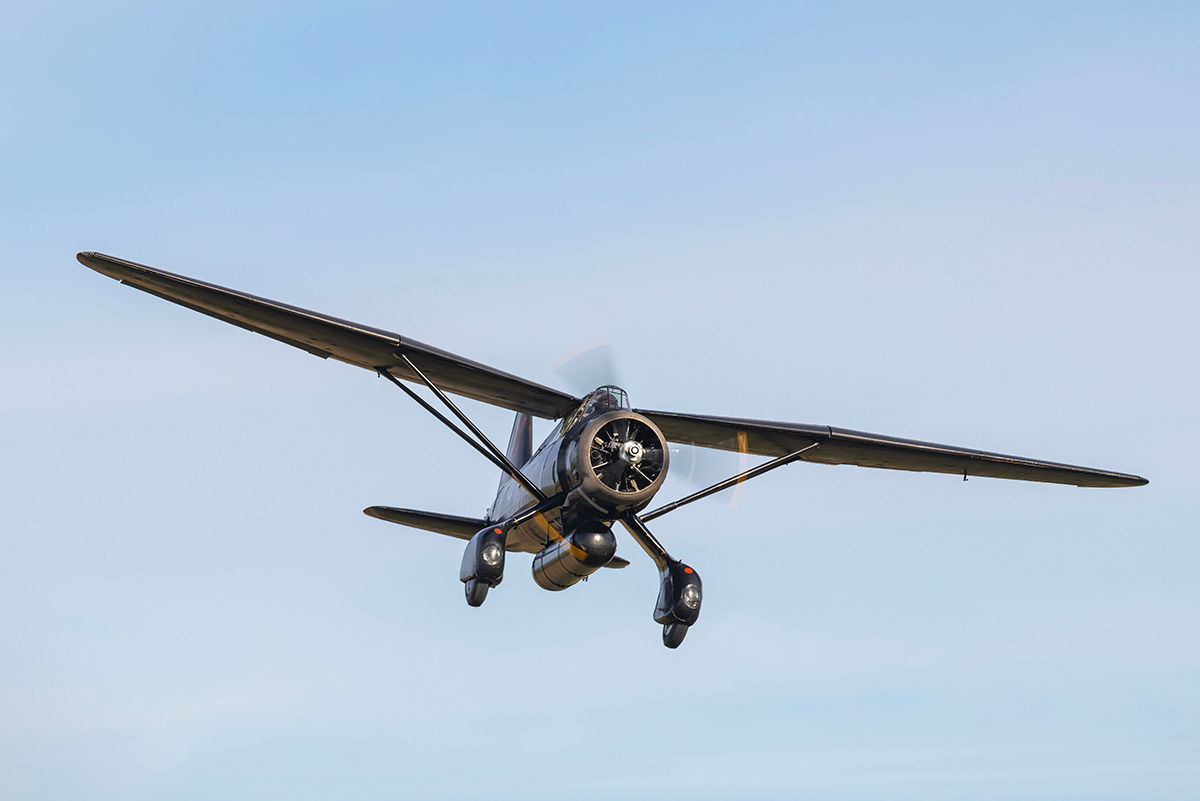
The Lysander steals the show Every airshow has its defining moment: that one display that captures the imagination and remains in the memory long after the last aircraft has landed. At this year's Race Day, the Collection’s Westland Lysander provided precisely that moment. It is no exaggeration to describe this as the best Lysander display I have ever seen. The aircraft is a familiar and much-loved stalwart to enthusiasts of British aviation history, but familiarity should never be mistaken for a lack of excitement. In the right hands, this distinctive machine can still deliver a display that leaves an audience thoroughly captivated. With its high-mounted wings, fixed undercarriage and unmistakable profile, the Lysander is unlike almost anything else in the wartime British inventory. Designed for army co-operation duties, it was engineered to operate from remarkably short and improvised landing grounds, supporting the troops on the ground and undertaking specialist missions that demanded exceptional versatility. |
 |
|
Seeing this airframe in flight is always a privilege, but this
performance elevated the experience to another level. The display
demonstrated the aircraft's remarkable manoeuvrability and the
qualities that made it so effective in its intended role. The
combination of its distinctive handling, purposeful presence and
beautifully judged flying made for an exceptionally engaging
sequence. Rather than simply offering a nostalgic glimpse of a historic aircraft, the performance brought its character to life. It was a display that allowed the Lysander to speak for itself, demonstrating that this unusual aeroplane remains every bit as fascinating today as it was when it first entered service. For me, it was one of the outstanding highlights of the day. The standard of flying was exceptional, and it was a privilege to witness such a superb demonstration of this remarkable aircraft's capabilities. |
 |
|
A special farewell to Graham Saw |
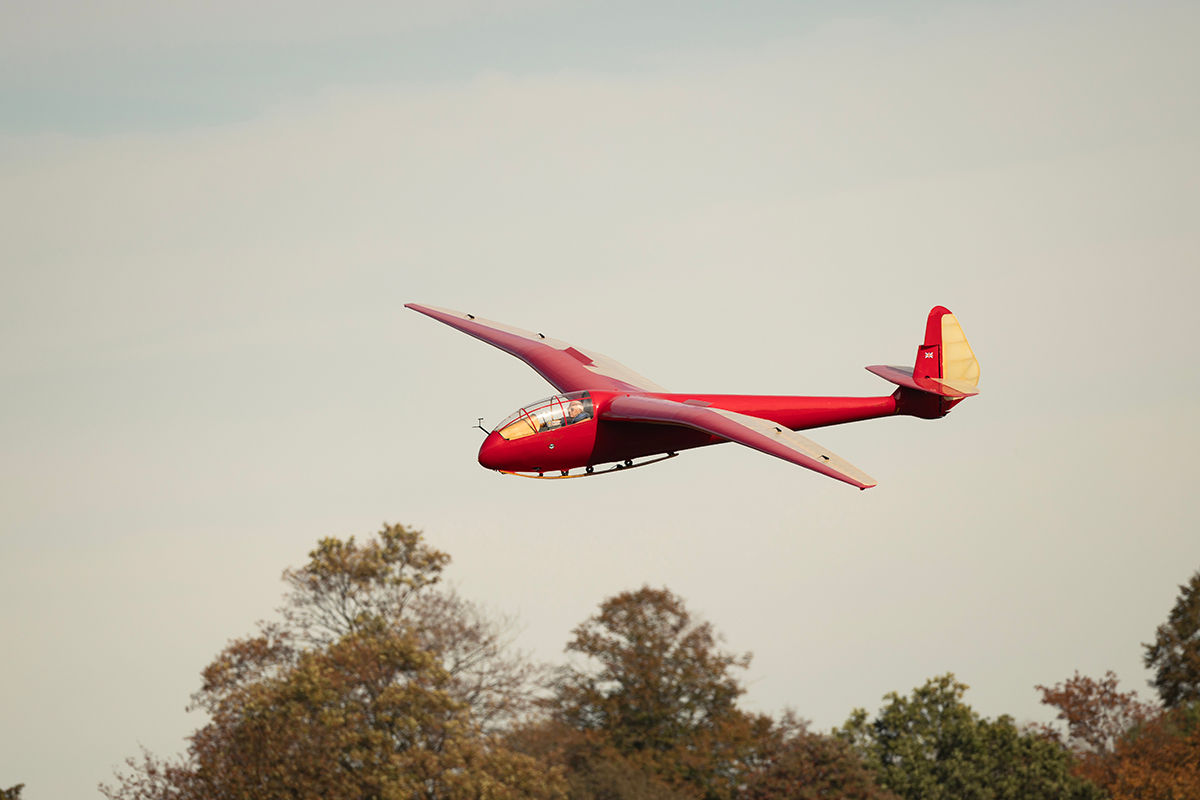 |
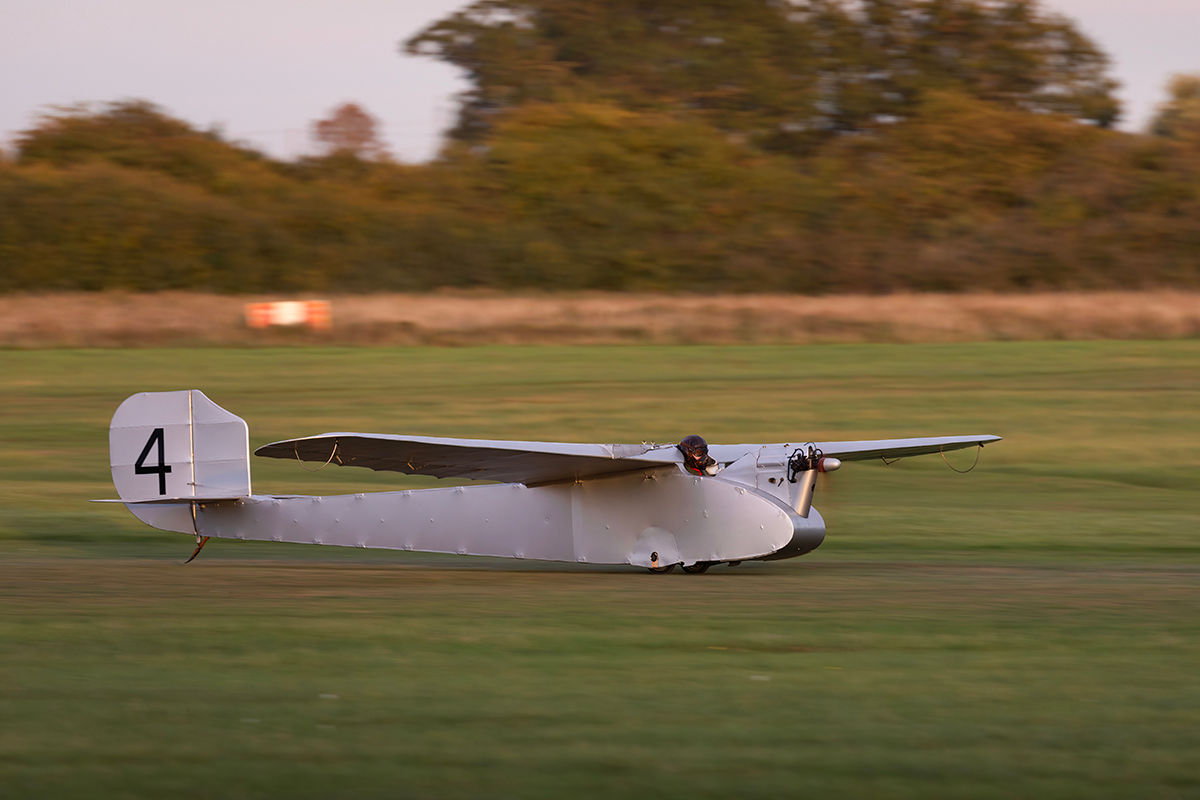
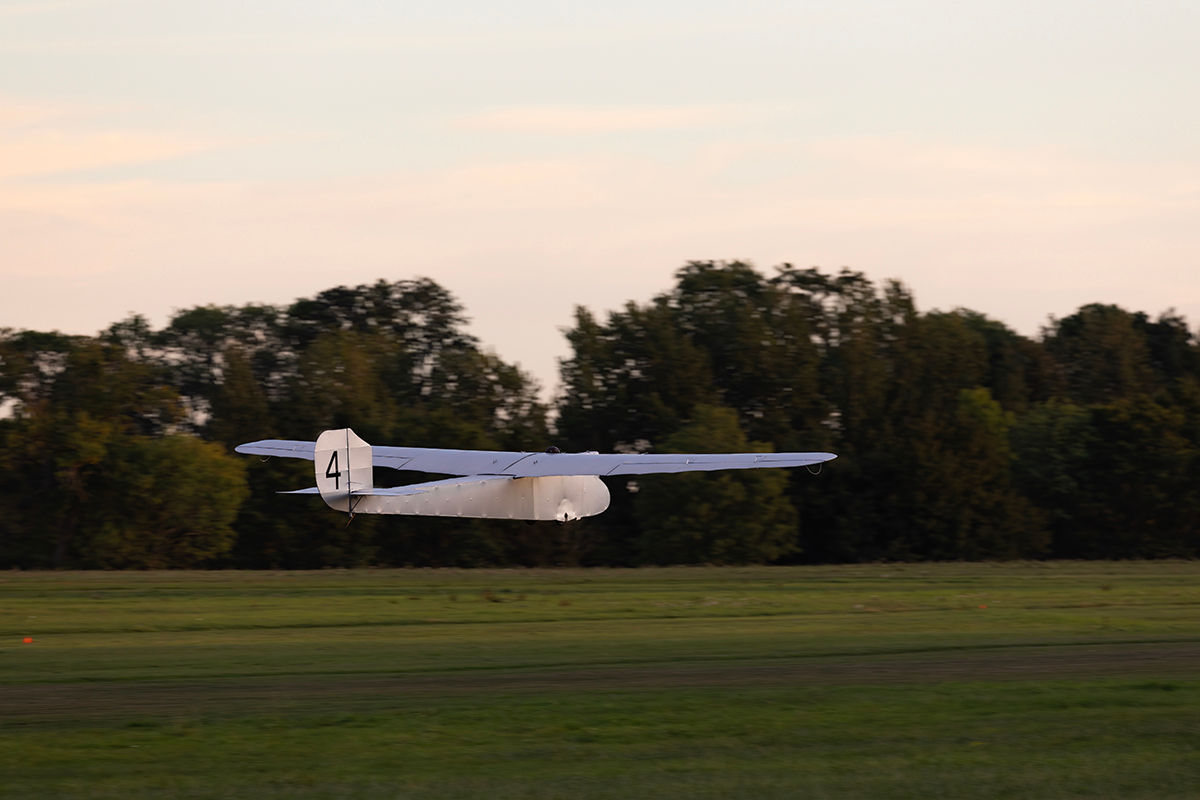
| The occasion was made even
more fitting by the Petrel's launch behind David Findon's de
Havilland Tiger Moth, specially equipped for glider towing. The
pairing brought together two important elements of Britain's
vintage aviation heritage in a display that felt entirely at home
at Old Warden. Retirement from airshow flying brings an end to one chapter, but it should not overshadow the contribution made along the way. Graham's years of involvement have helped keep the art of vintage glider display flying in the public eye, introducing audiences to aircraft and techniques that might otherwise be overlooked amid the excitement of more powerful machinery. |
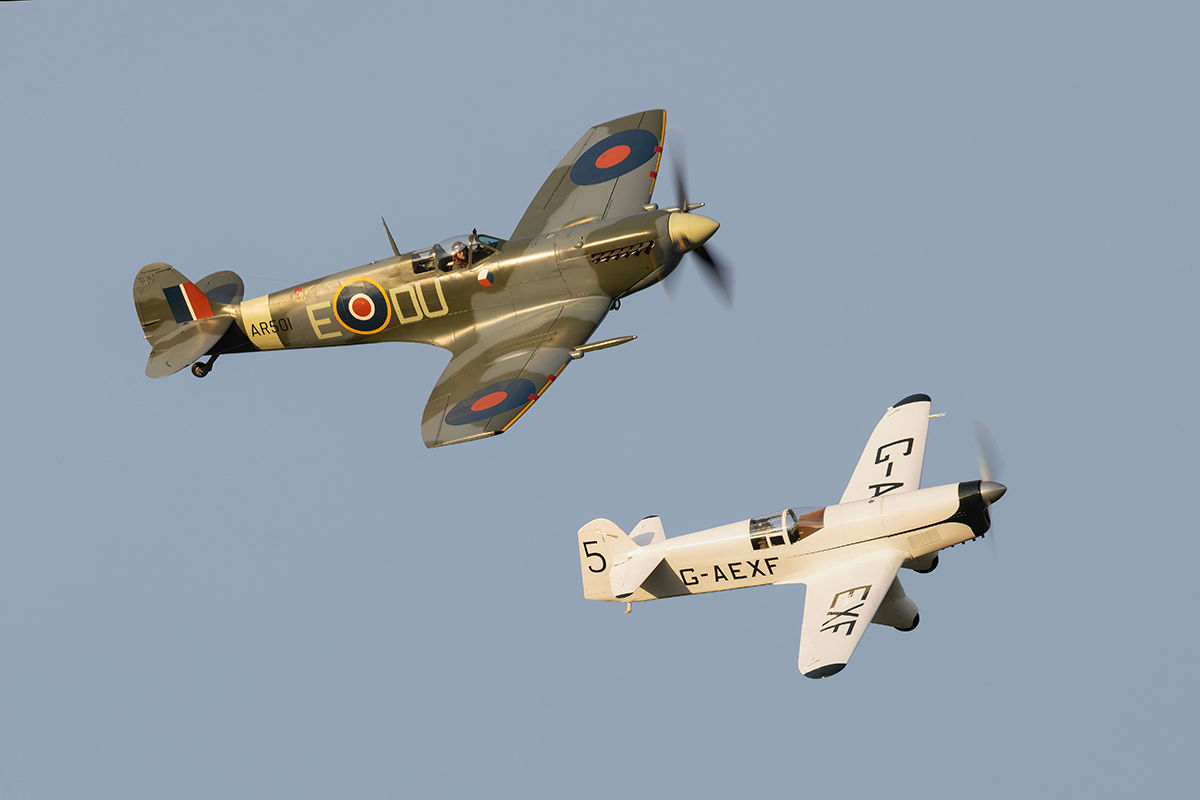 |
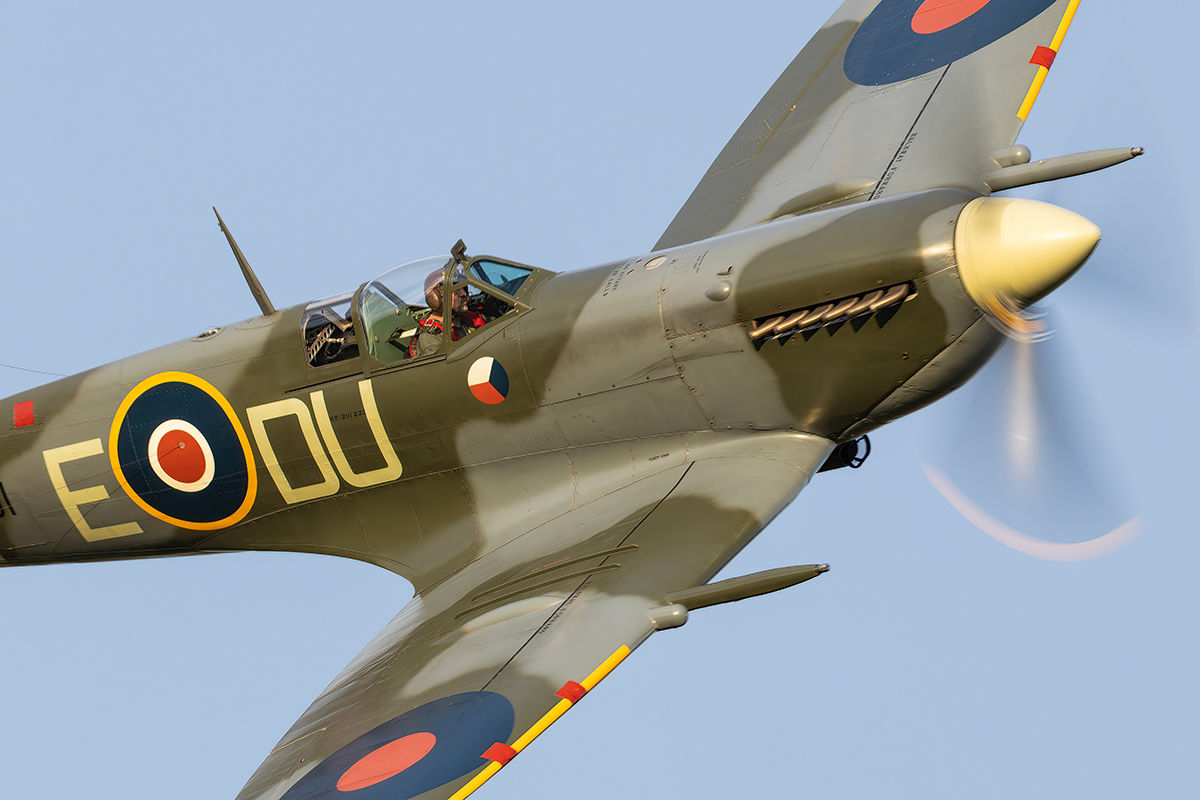
| Celebrating the
Shuttleworth spirit Beyond the individual highlights, what made Race Day such an enjoyable occasion was the way it brought together the different elements of the Shuttleworth experience. The historic vehicles on the ground, the remarkable collection of aircraft and the visiting displays all contributed to an event that celebrated engineering and the people who preserve, maintain and operate these machines. It was a reminder that keeping historic transport alive requires considerable dedication, specialist knowledge and a genuine passion for the subject. The autumn sunshine was the proverbial icing on the cake, providing excellent conditions for both the ground displays and the flying programme, even allowing for a few of the Edwardians to get airborne, which has been an even rarer than usual treat recently. |
 |
| There was time to appreciate the vehicles
at leisure before looking skywards, and the overall atmosphere was
one of relaxed enthusiasm for the remarkable machinery assembled
at Old Warden. The final Race Day also provided an opportunity to reflect on the event's place in the Shuttleworth calendar. Introduced in 2016, it has offered a distinctive way to celebrate the racing heritage of the Collection's founder and namesake; Richard Ormonde Shuttleworth, combining his passions for aviation and motorsport. Although the Race Day format will not return in 2027, the Collection's season will continue with a Season Finale airshow. The spirit of the event, however, remains firmly rooted in the wider Shuttleworth mission: preserving historic machines and allowing them to be experienced as their designers intended. |
 |
|
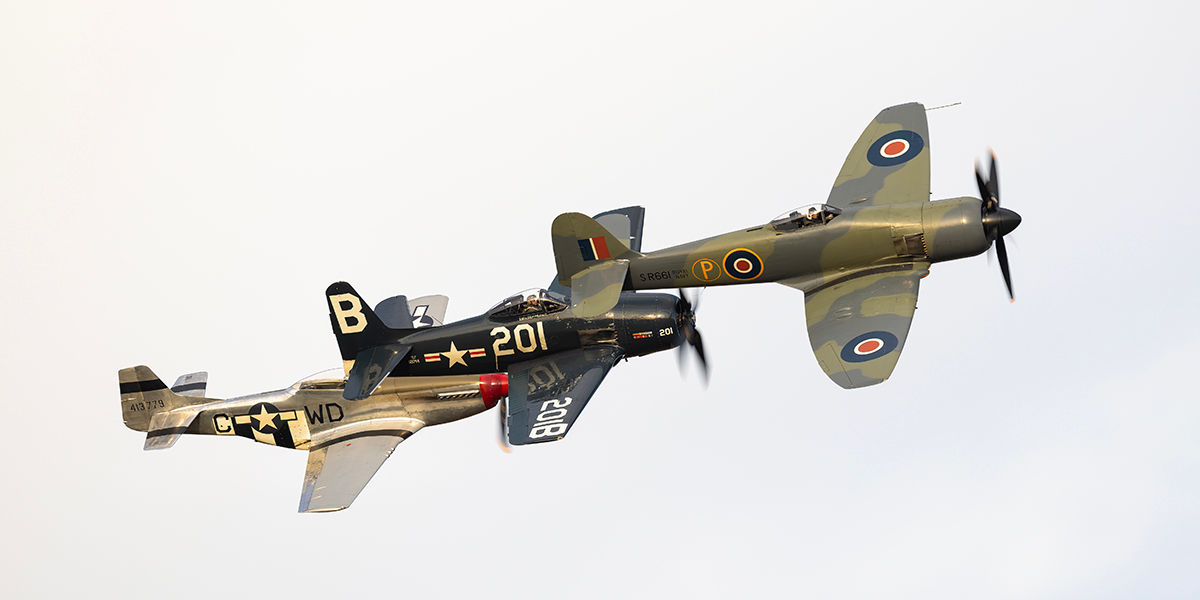
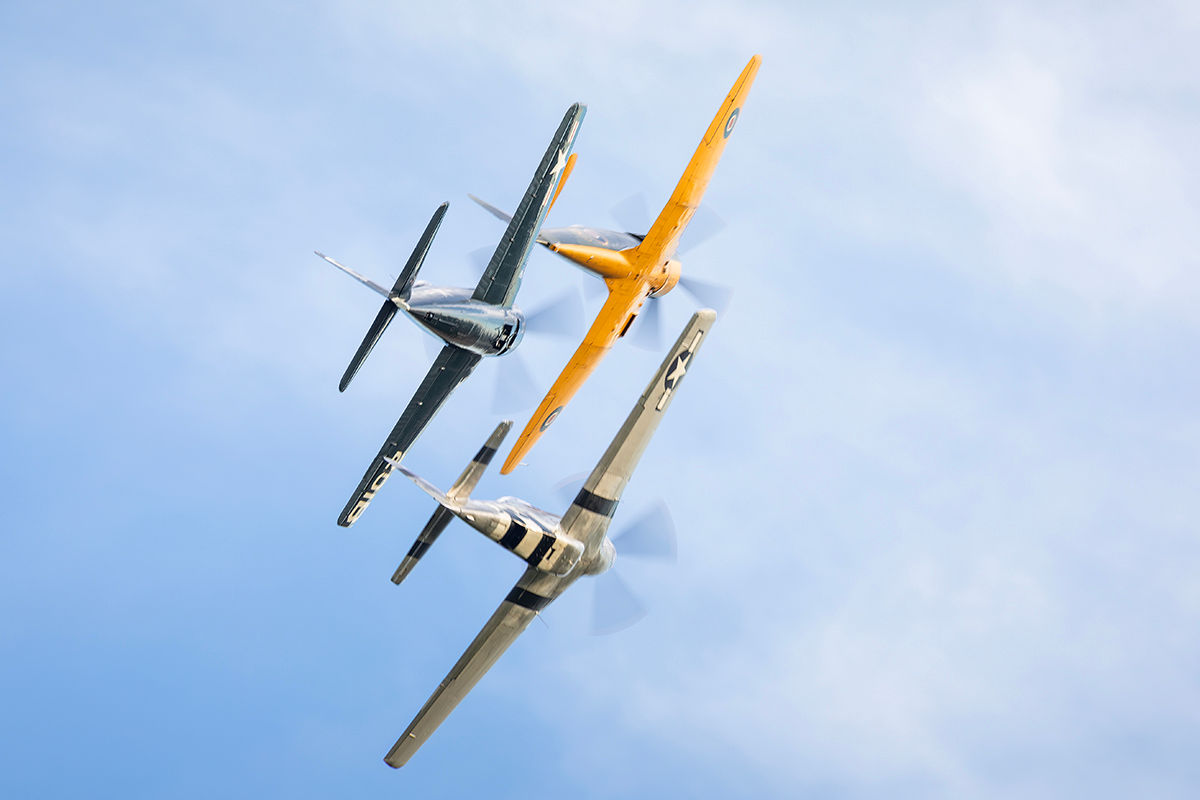
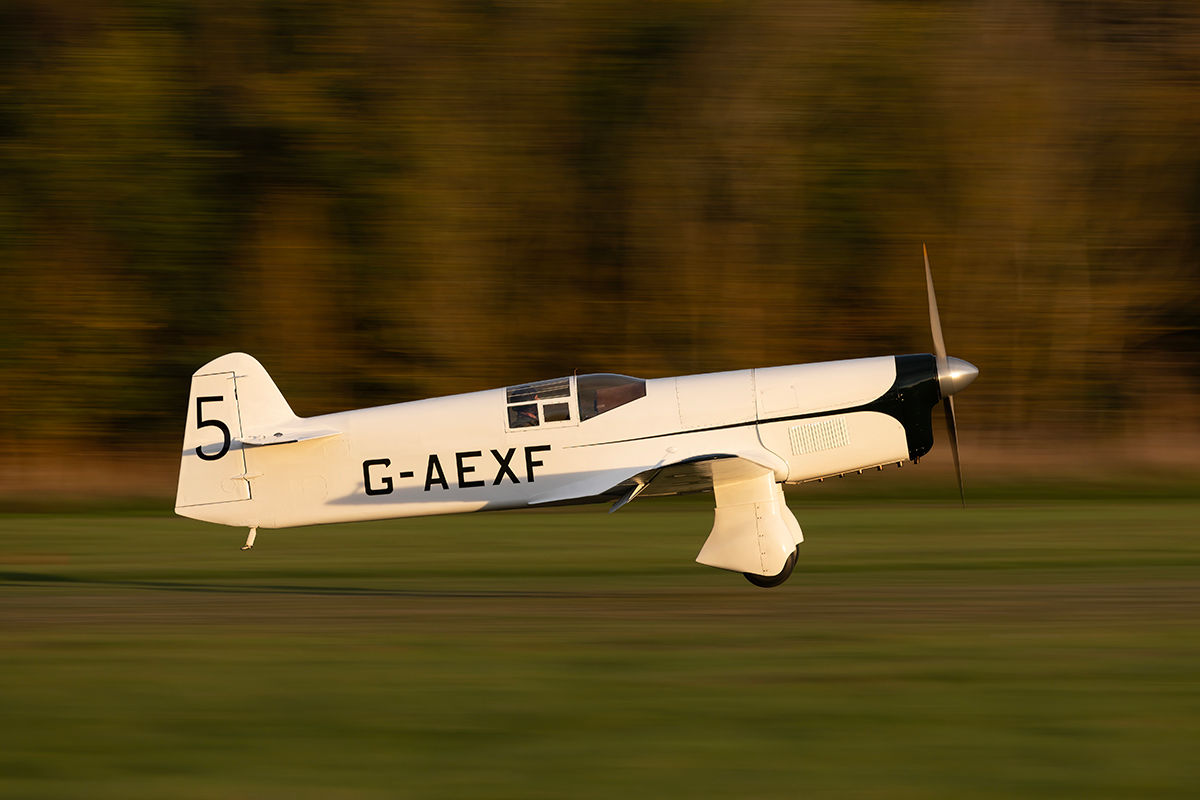
Racing Legends and the Edwardian Pioneers The racing theme continued in spectacular fashion with a tribute to the famous Reno air races, bringing some serious horsepower to the Old Warden skies. A trio comprising the Hawker Fury, Grumman Bearcat and North American P-51 Mustang provided an exhilarating taste of the Unlimited class, with a spirited tail-chase followed by individual displays that demonstrated the formidable performance of these powerful warbirds. It was a thrilling reminder of the spectacle that has made unlimited-class air racing such a compelling part of aviation history. |
|
|
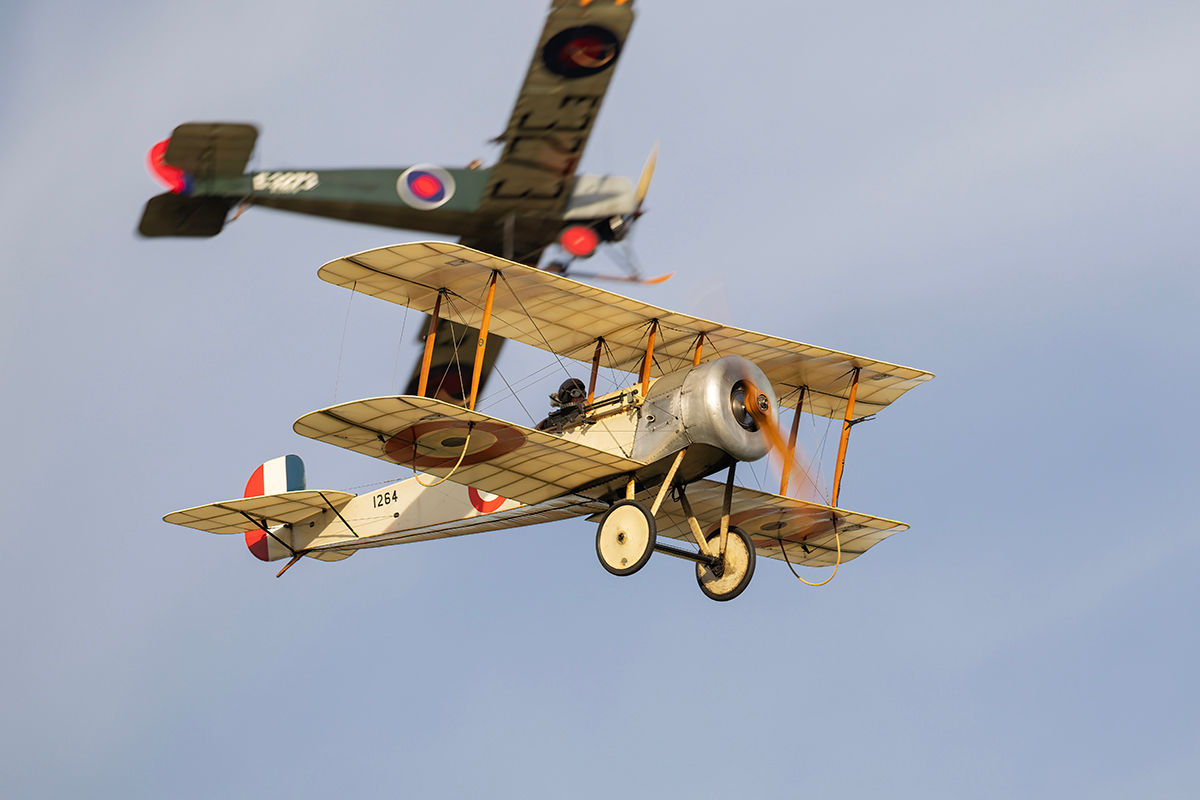
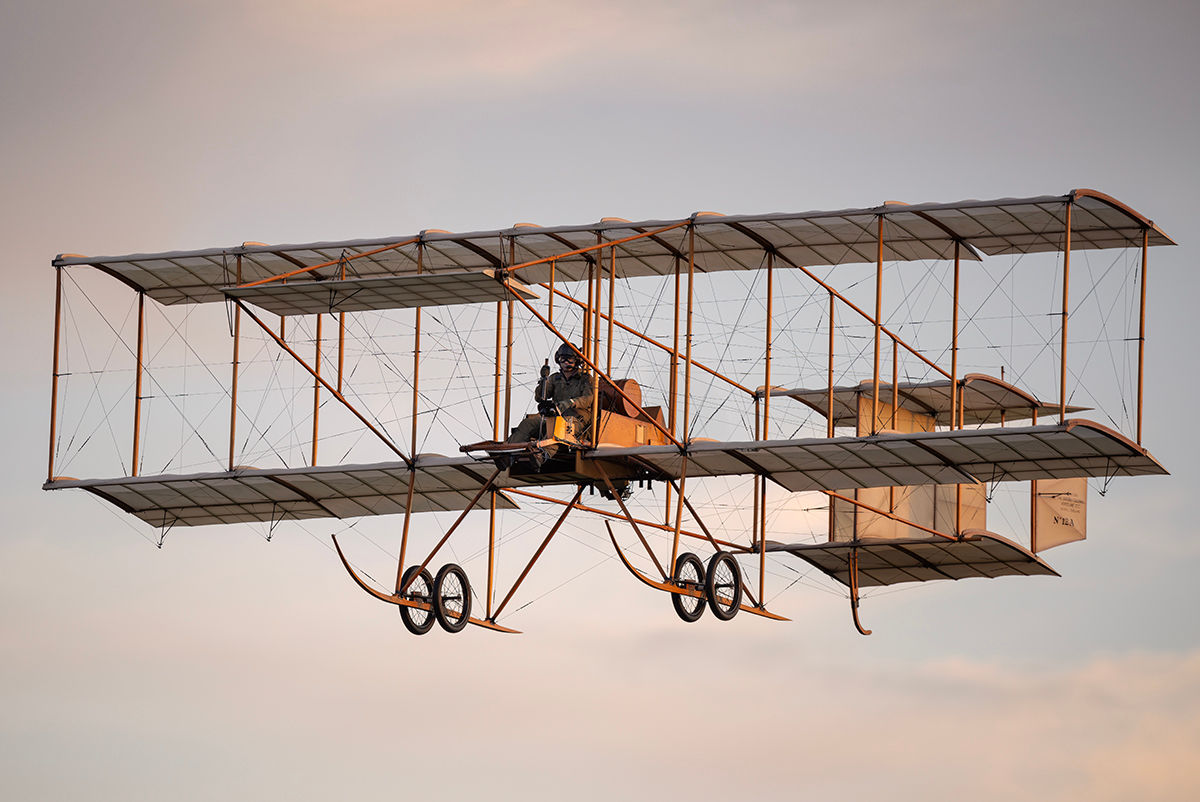
| At the other end of the aviation timeline, the appearance of the Edwardian-era aircraft provided a fascinating contrast. The sight of these pioneering machines taking to the air was a privilege, transporting spectators back to the earliest days of powered flight, when aviation was still an extraordinary experiment in human ingenuity and courage. Their delicate structures, exposed engineering and unhurried progress around the circuit could hardly have been further removed from the raw power of the Reno-inspired display, yet both perfectly illustrated the remarkable breadth of aviation heritage celebrated at Shuttleworth. |
 |
 |
 |
| These contrasting performances
encapsulated the spirit of Race Day: from the pioneering aviators
who first ventured into the skies to the high-performance racers
that pushed speed and engineering to their limits. It was a fitting
reminder that aviation's story is one of continual innovation, and
that the preservation of these very different machines allows each
generation to experience that history first-hand. As the season drew to a close, the final Race Day offered a fitting tribute to the spirit of innovation, competition and preservation that has long defined Old Warden. The historic vehicles, the aircraft and the enthusiasm of everyone involved combined to produce a memorable day at one of Britain's most distinctive aviation venues. Race Day may now give way to a new season-ending format, but its final edition demonstrated just how rewarding the combination of vintage motoring and aviation can be. |
 |
 |
|
Review by Jonathan Wintle. |